Transport remains one of the most common hurdles for schools and charities trying to deliver services consistently.
Many rely on volunteers, tight schedules, and a limited budget, so they can’t always depend on public transport or hire vehicles on short notice. For staff organising trips, events, and outreach sessions, even minor delays or cancellations cause disruption.
Local teams across Durham are finding new ways to manage their travel needs. For some, that means moving away from rental models. For others, it’s about prioritising accessibility or choosing vehicles that suit regular routines.
Keep reading as this article explores how organisations manage group transport more effectively and what options are helpful.
Transport Pressures for Local Institutions
Durham’s community groups often operate with stretched budgets. Every pound must be justified, which makes transport a sensitive line item. Hiring private coaches adds up quickly. Dependence on public networks means accepting delays, missed connections, or complete service cuts on evenings and weekends.
School leaders have to plan term trips without knowing if transport will be available. Charities aiming to deliver services in person risk cancelling if volunteers can’t reach people. These delays cost more than time. They affect outcomes.
Organisations are looking for better ways to take control, including transport.
Exploring Smarter Options for Group Travel
Smaller vehicles with multi-passenger capacity are becoming more popular across the region. They provide flexibility while keeping operational costs under control. When ownership replaces rental, there’s no need to match someone else’s availability. This allows teams to respond faster to needs and stick to timetables.
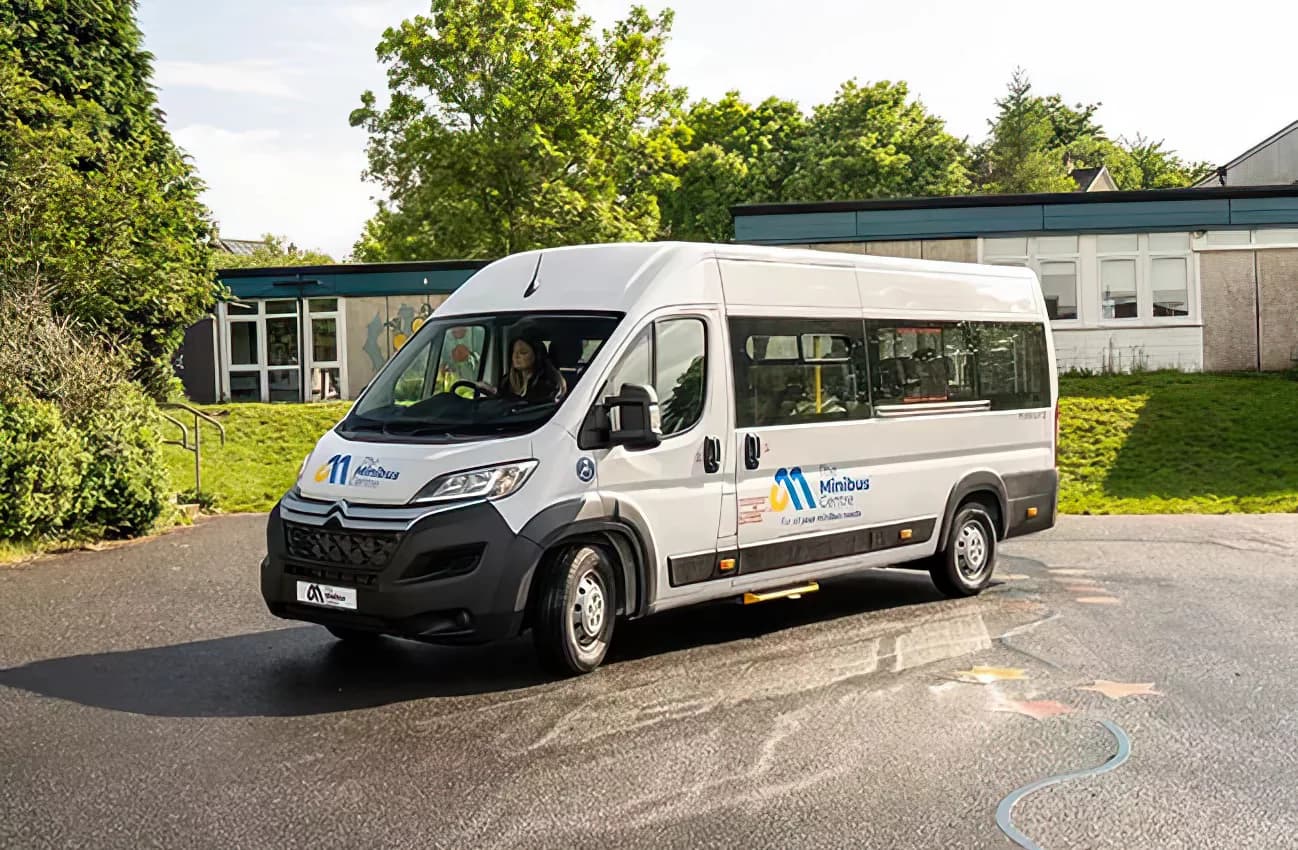
A minibus is a manageable option, especially for groups that travel regularly. Schools benefit from having transport on hand for sports matches, swimming lessons, or day trips. Charities get the freedom to serve more people with less downtime.
Choosing a provider with multiple models available makes comparison easier for those starting to search for a minibus for sale. Whether you’re after a compact 9-seater minibus for sale or a larger 17-seater minibus for sale, the right fit depends on usage. Some teams want lighter vehicles that don’t require a D1 licence. Others need specific layouts, extra luggage space, or equipment storage.
The broader the selection, the more likely an organisation will find something aligned with its day-to-day routines. Finding a minibus for sale in the UK can also reduce delivery wait times. Faster turnaround means faster implementation.
Accessibility and Purpose-Built Vehicles
For some organisations, accessibility isn’t a preference; it’s a requirement. Special education providers and disability charities often need to carry wheelchairs, oxygen tanks, or other support equipment. A minibus that doesn’t accommodate these becomes a barrier instead of a solution.
Wheelchair-accessible models are designed with side lifts, ramps, floor tracking, and reinforced interiors. This allows staff to carry passengers safely and respectfully. Staff training is simpler when everyone uses the same setup daily.
Design also matters. Community care teams may prefer easy entry for older passengers. Schools may prioritise multiple anchor points for safety restraints. Thinking through these needs early on helps buyers avoid the cost of later modifications.
Independent Solutions with Local Impact
Ownership of a small vehicle can seem like a significant step, but local groups making the switch often describe the same result: less stress and greater autonomy. When organisations no longer rely on external providers or shift schedules, they can plan their day around the people they support, not the next available booking slot.
Durham-based school administrators have shared how regular trips are easier to plan with their vehicle available. There’s no delay in chasing availability, and they don’t need to cut trips short due to return restrictions. Staff can focus on activities rather than logistics.
Community support workers have echoed this benefit. Outreach services once tied to specific hours or reliant on volunteers’ cars now have more reach. That extra capacity helps them serve isolated individuals and respond to needs more quickly. It also reduces the risk of burnout among staff trying to juggle too much.
A vehicle suited to the task saves time, reduces admin, and provides peace of mind. That creates breathing room for teams to grow and improve their offerings. Choosing a minibus that suits the actual use case, whether small group transport or larger passenger needs, helps ensure sustainability from the beginning.
What to Ask Before Making a Purchase
Every organisation has unique travel demands. Asking the right questions early helps avoid long-term mismatches. First, check how often the vehicle will be used. If it’s several times a week, reliability becomes non-negotiable. Look into models known for consistent performance and ease of maintenance.
Capacity is next. Think about current needs and how they might change. A 9-seater minibus for sale may suit a small team now, but expanding programmes might require additional space in the future. On the other hand, if a 17-seater minibus for sale seems too large, it may create unnecessary fuel and parking issues.
Accessibility also needs attention. Does your group require features like wheelchair ramps or low-step entry? Is storage space needed for equipment or supplies? Make sure the configuration fits your actual activities, not just theoretical ones.
Insurance, training, and servicing are often overlooked. Work with a supplier who can advise you on what’s required under UK law for your organisation type. A strong aftercare policy can make a significant difference if issues arise.
Choose a Transport Setup That Supports Your Goals
Solving transport challenges isn’t just about vehicles. It’s about allowing your team to act when needed without delay or dependency. A reliable setup helps keep your plans on track, supports your people, and allows your services to grow steadily.
Consider reviewing how much time and resource currently go into organising external transport. Compare that with the benefits of consistent access, better availability, and lower long-term costs. If the numbers make sense, owning a dedicated vehicle could be a logical step forward.
For many local groups, the right solution is already within reach. The key is to make decisions based on need, not assumptions. Speak with providers, explore different models, and prioritise long-term usability over short-term fixes.