- Majority of reader comments express concern over increased student housing in Durham city centre
- Calls for stronger support for independent retailers on historic streets
- Criticism of design quality and perceived lack of heritage sensitivity
- Trust in consultation process questioned by several contributors
- A small number highlight economic reliance on student spending
Strong Reaction to Student Housing Expansion
Revised plans for the redevelopment of Prince Bishops Place have prompted a substantial response from readers, with the majority of comments focusing on the proposed increase in student accommodation.
The updated scheme, expected to be submitted to Durham County Council later this month, replaces a previously approved hotel with additional student rooms, bringing total provision to around 500.
Many commenters argued that Durham city centre has reached what they described as a “tipping point” in student numbers. One reader wrote: “We need the city centre to be further inundated with students like we need a hole in the head. Plan for a vibrant city centre attracting tourists and locals—remember them?”
Another added:
“Durham is a world heritage site… not a student play area.”
Concerns raised included the long term balance between permanent residents and students, the impact on family housing, and whether the change from hotel to student use alters the economic character of the scheme.
However, not all responses were negative. A small number of contributors pointed to the economic importance of the student population to the city centre. One reader suggested that without student spending the local economy could “crash”. Another argued that using upper floors for accommodation could help subsidise retail space and keep shop rents viable.
Retail Strategy and the ‘York’ Comparison
Retail strategy emerged as a second dominant theme.
Several residents called for a clearer distinction between national chains and independent businesses. A recurring suggestion was to concentrate larger brands within Prince Bishops Place while returning historic streets such as Sadler Street and Silver Street to independent traders.
“Think independent small shops in the heart of Durham with the chains moved into places like Prince Bishops,” one commenter wrote.
Some compared Durham to York, referencing its Shambles area as a model for supporting specialist retailers including butchers, fishmongers, bakers and delis. Others argued that the city centre must remain practical for residents, offering essential goods and services rather than focusing primarily on cafés and bars.
Design and Heritage Concerns
The aesthetic quality of the development also drew criticism.
Terms used by commenters included “monotonous”, “Lego building” and “flat-roofed monstrosity”. Several questioned whether the revised design sufficiently reflects Durham’s historic character and its proximity to the city’s UNESCO World Heritage setting.
“It’s disappointing when a developer… seeks to water down the design to the detriment of the city’s appearance,” one reader commented.
There were also specific requests regarding accessibility, including provision for larger wheelchair accessible vehicles within the retained multi-storey car park and design standards that exceed minimum regulatory requirements.
Wider Frustration Over City Centre Delivery
Beyond the Prince Bishops proposals, comments reflected broader frustration with ongoing regeneration projects across Durham.
Multiple readers referenced the unfinished state of the Milburngate development and raised concerns about the condition of North Road and the city’s bus station. Some questioned why new schemes are progressing while other high-profile sites remain incomplete.
Issues of cleanliness and maintenance were also mentioned, with a number of contributors describing parts of the city centre as unkempt.
Trust in the planning process surfaced repeatedly. Several residents suggested that consultation exercises feel procedural rather than influential, while others expressed concern about the perceived influence of the university sector over long term planning decisions.
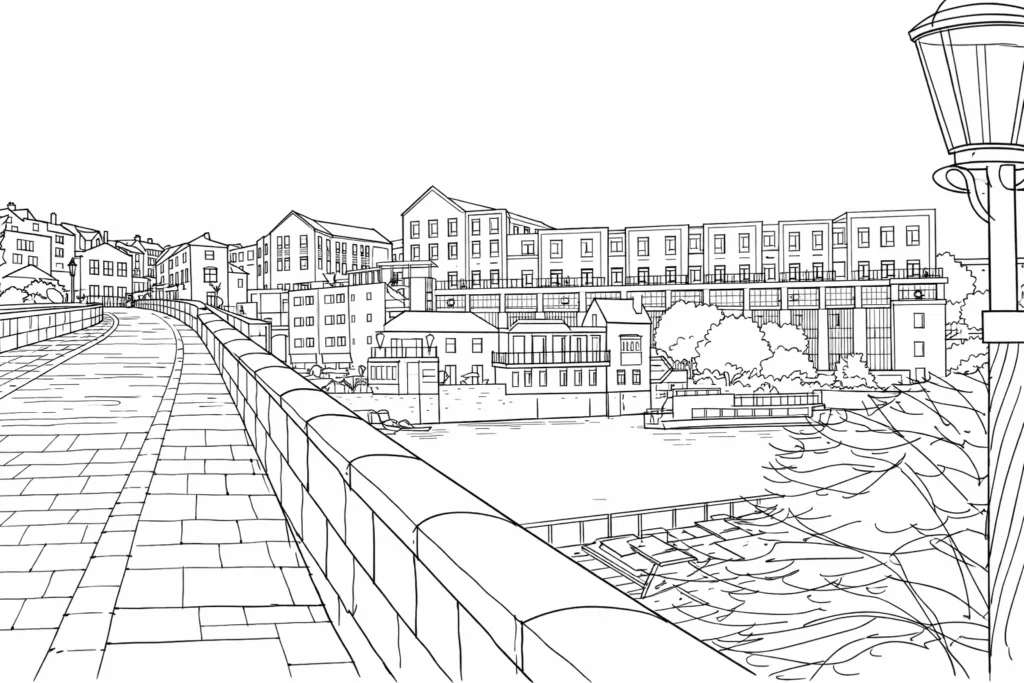
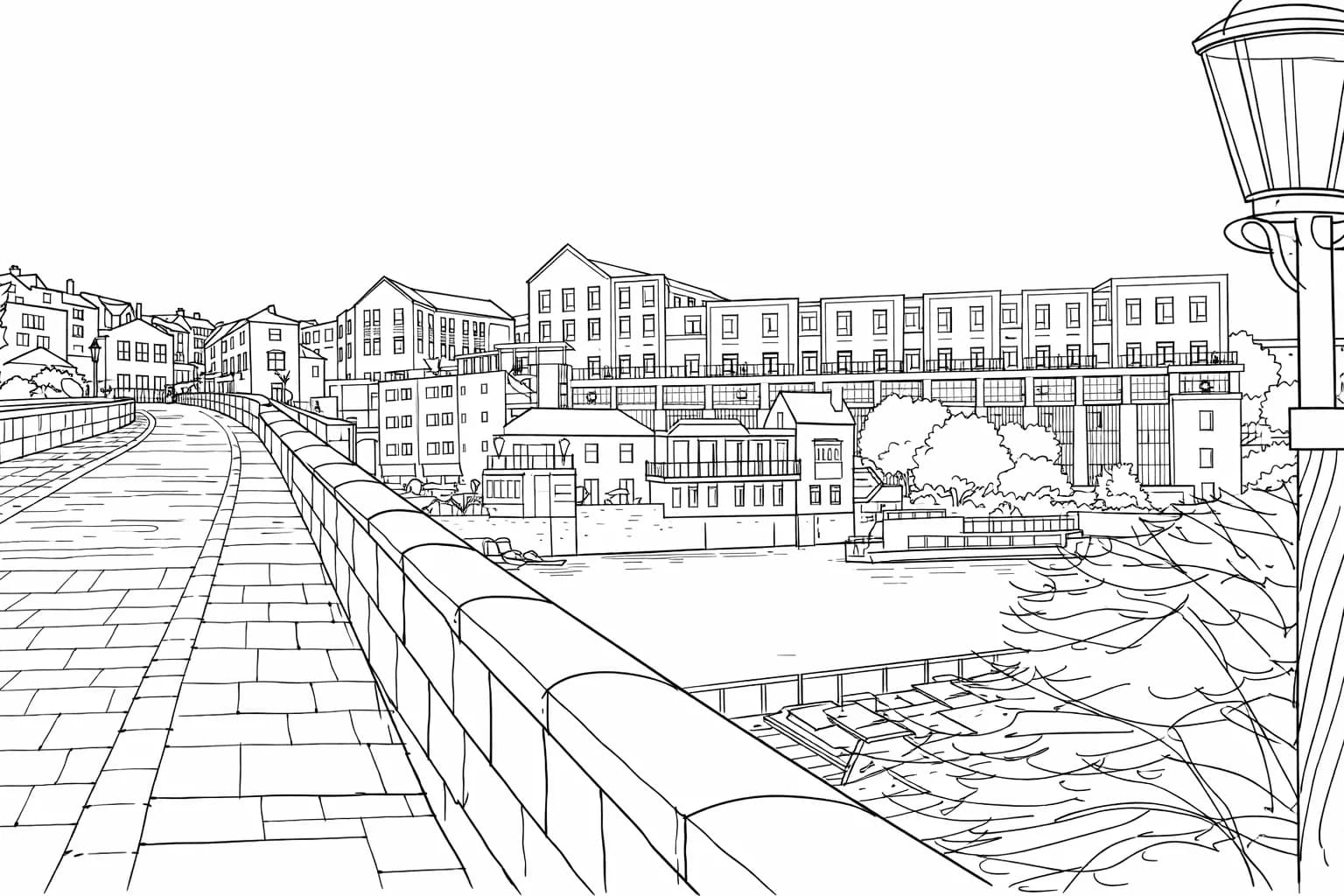
This illustration is an independent artist’s impression created for editorial and online article purposes only. It is not an official image issued by the developer or planning authority and does not represent a finalised or approved design. Details shown may change as part of the planning and delivery process.
Planning permission for a mixed-use redevelopment of Prince Bishops Place was granted in July 2024. The scheme includes retail and leisure space, a new public square overlooking the River Wear and Elvet Bridge, and student accommodation above retail units and the existing car park.
The revised application retains the core elements of the consented scheme but removes the hotel component in favour of additional student rooms. A decision by Durham County Council is expected later this year following submission and formal consultation.
A City at a Crossroads
The volume and strength of response suggest that Prince Bishops Place has become a focal point for wider questions about Durham’s identity, economic model and balance between heritage, tourism, student life and permanent residency.
As the new application moves forward, the level of scrutiny indicates that many residents are looking beyond design drawings to the broader direction of the city centre’s future.