When people visit a restaurant or order food, attention naturally goes to what is happening in front of them: the menu, the atmosphere or the quality of the meal itself.
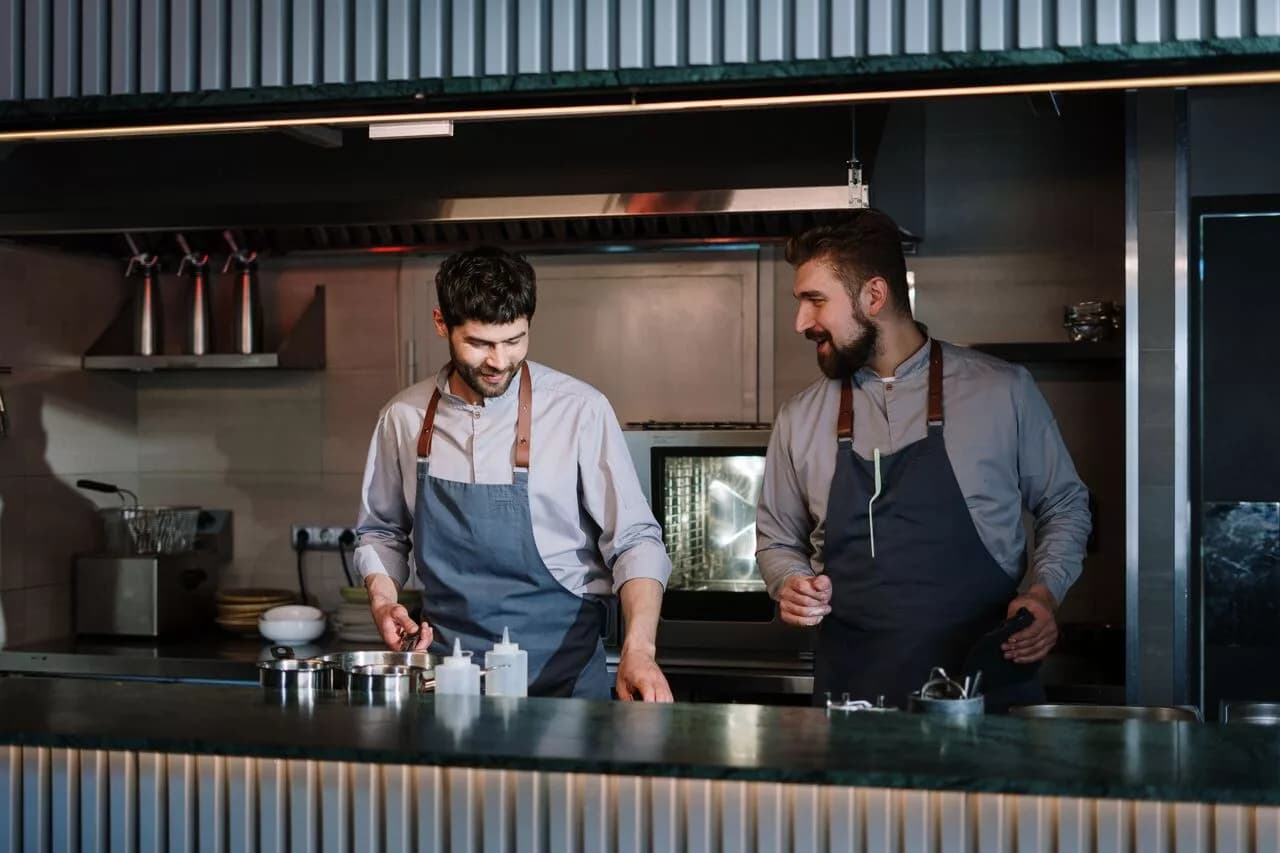
What often stays invisible are the many routines quietly happening in the background to keep things running smoothly. In busy kitchens especially, organisation matters far more than many people realise, particularly when teams are working quickly and several things need attention at once. A service that appears effortless from the dining room often depends on preparation and practical systems working reliably long before customers arrive.
Busy kitchens depend on routines
Restaurant kitchens are often fast-moving environments where timing matters. Ingredients need to be stored properly, workspaces kept organised and equipment managed throughout the day, all while staff continue preparing meals under pressure. This is one reason why practical routines become so important. From deliveries and cleaning schedules to stock management and kitchen organisation, many tasks help prevent unnecessary disruption during busy periods. Proper used cooking oil collection also plays an important role in supporting recycling processes and reducing unnecessary waste within the hospitality sector.
Questions around how to get rid of cooking oil are a good example of something many people rarely think about unless they work in food service. In hospitality settings, used cooking oil needs to be handled carefully so kitchens remain practical, organised and compliant with operational requirements. When these smaller operational details are handled consistently, teams are often better able to focus on preparation and service rather than solving unexpected problems during busy shifts.
Why local support matters in larger cities
Running a food business in a large city often comes with additional pressure. Limited space, high demand and busy service periods can make practical organisation even more important than usual. In places where kitchens already operate at a fast pace, support systems usually work best when they fit naturally into existing routines rather than adding extra pressure.
For businesses looking for waste oil collection in London, for example, reliable organisation often matters just as much as flexibility. Quatra works with restaurants and food businesses that need structured oil collection services, helping kitchens manage one practical aspect of day-to-day organisation in a way that fits more smoothly into already busy operations.
Smooth service often starts behind the scenes
Customers rarely think about what happens in the background when a restaurant feels calm and well organised. Yet much of that experience often depends on routines working properly before anyone even sits down to eat.
In many food businesses, smooth operations rely on practical systems quietly doing their job every day. When organisation works well behind the scenes, teams are usually in a better position to focus on what customers notice most: good food, efficient service and a positive overall experience.