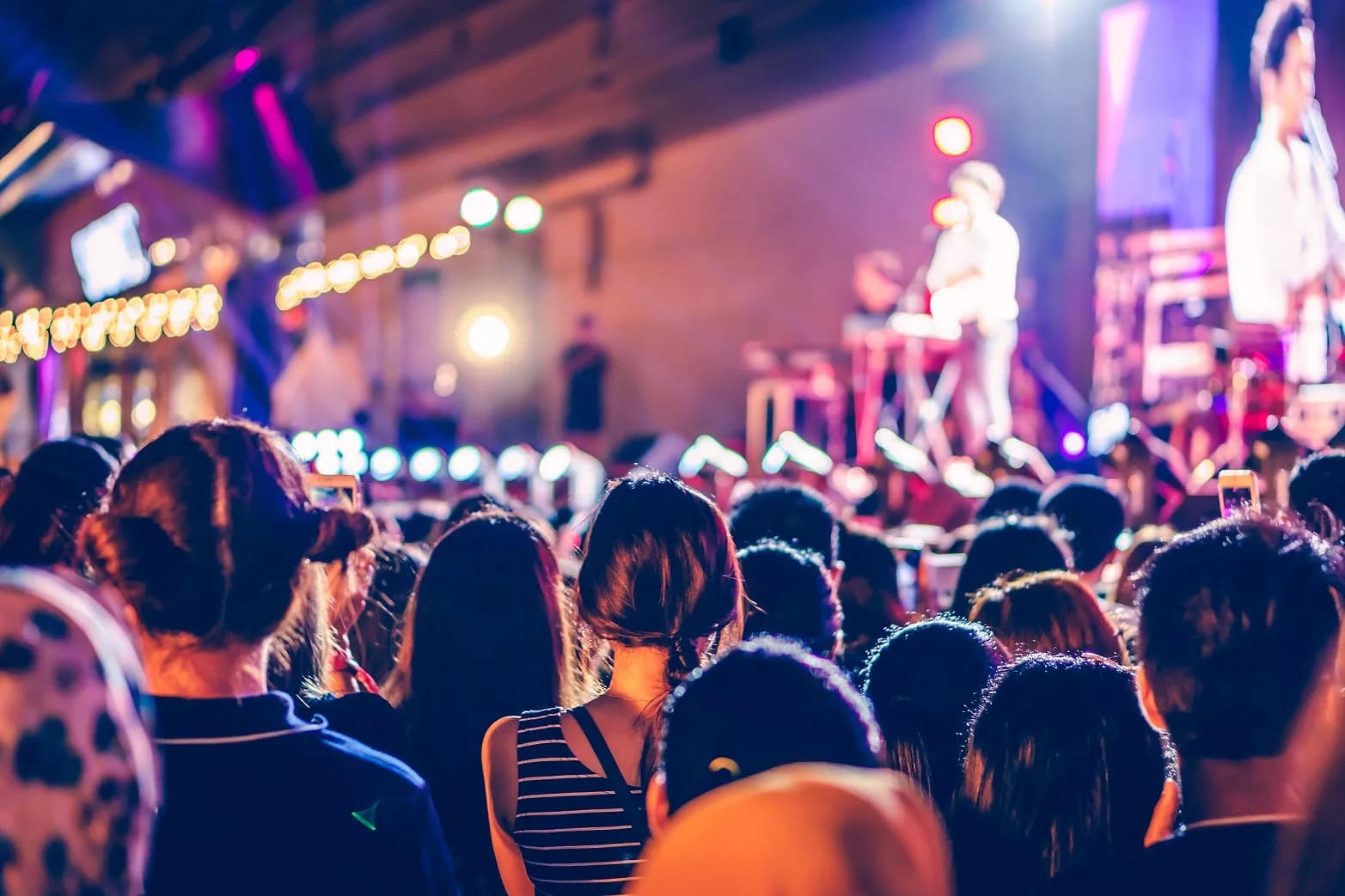
Gardens and living rooms across the UK are quiet. Too quiet. A goal scored on a smartphone screen doesn’t vibrate in your chest. It won’t make your ears ring. It won’t make your throat sore from shouting until you lose your voice. The roar of a stadium, the shared tension of a close match, the collective release when the net finally ripples. These moments create connections that pixels simply cannot replicate. Fact. As streaming services and social media highlights dominate our limited free time, a question persists. Does attending in person still hold worth?
Despite the digital surge, live sports continue to pull massive crowds. Fans aren’t just buying a seat. They are investing in something raw. Access. Atmosphere. Authenticity. It is a fundamental need. Extended licensing hours during major tournaments and tech-driven matchday services continue to change the landscape. This infrastructure is shifting fast. It’s no longer just about the ninety minutes of play. It’s the entire experience. The pre-match buzz in the local pub. The journey to the ground. The post-match debate. Period.
The Social Psychology of Being There
Attending live events together fosters a connection that a Discord chat or a WhatsApp group never will. There is a science to the sweat and the shouting. Physical co-presence creates synchronised emotional responses that anchor you to the moment. It builds trust between total strangers. It builds empathy across the stands.
Durham’s own community gatherings prove this. Civic participation often spikes after local festivals and matches. When you are physically there during an emotionally charged moment, social bonds harden. You aren’t just an observer; you are a participant in a shared history. A solitary screen is a dead end for that. You miss eye contact. You miss the shared gasp of ten thousand people at once. Digital viewing is convenient, but it is surgically detached from the human element. Physical presence is the antidote to that isolation.
How Attendance Shapes Memory
Multi-sensory engagement creates anchors that the brain refuses to let go. The smell of crushed turf after a rain shower. The deafening, low-frequency vibration of the crowd just before a penalty is taken. The tactile chill of the evening air as the floodlights kick in. These aren’t just details. They are environmental markers that help the brain encode moments with staggering depth and accuracy.
We remember live events more vividly than streams. Plain and simple. The brain regards overlapping sensory input as real and therefore, high-priority for storage. Watching on a screen uses two senses. Max. Being in the stadium uses everything you’ve got. This sensory overload is exactly what makes the memory stick for decades. It becomes part of your identity. Part of your story. Done.
Economic Ripple Effects on Local Communities
Regional cities see the benefit first. It is a massive injection of life. Every single time. Local businesses surrounding venues experience a surge in revenue that digital viewing simply cannot trigger. From the local pub to the family-run chippy, the matchday economy is a lifeline. A critical one. Durham’s hospitality sector shows this pattern clearly.
Relationships started during a match often turn into long-term loyalty. Professional event planning is the engine behind this growth. Specialised IMG Hospitality programmes deliver premium matchday packages that support local venue partnerships and regional economic activity. This cycle of real investment keeps high streets alive. It multiplies every pound spent. Accommodation bookings, transport services, and retail spending are all parts of this engine.
Beyond the Ticket Sales
The impact means that even one well-attended match may deliver meaningful income across Durham’s local economy. It’s a multiplier effect. Beyond ticket sales, the economic benefit means everything to Durham residents. Tourism benefits arise as first-time visitors return after a positive event experience. They come for the game, but they stay for the city.
Local suppliers and service providers gain contracts that matter. From security firms to catering staff, the jobs created are tangible and local. This isn’t abstract wealth; it’s the rent paid and the shops kept open. When a stadium is full, the city breathes easier. It’s a ripple that reaches far beyond the final whistle.
Authenticity in a Manipulated Age
Deepfakes and AI-generated content are everywhere. The noise is constant. This has led to a renewed interest in verifiable reality. Live events offer an unedited, unfiltered truth. Audiences find this increasingly meaningful. What happens in the stands is witnessed by thousands simultaneously. You become the primary source, not a passive consumer of mediated content.
Establish an opinion based on personal witness. In an age of digital noise, direct observation remains the ultimate fact-check. You cannot deepfake a stadium roar. Not when you are in it. Not when you can feel the floor shaking under your feet. The truth is found in the physical world, not the curated feed.
Verification Through Presence
Direct observation helps establish memory. It’s that simple. Attendees become primary sources. This approach builds stronger critical thinking and media literacy skills. Shared physical experience creates a collective memory that is less susceptible to revision or distortion.
When many people experience the same moment together, that moment enters the shared historical record. It is less likely to be distorted than digital versions circulated online. You have your own eyes as evidence. You don’t need a fact-checker when you were there on the front row. It provides a level of certainty that digital media simply can’t match.
Accessibility and Inclusion
UK venues have made notable progress. Pricing initiatives like community ticket schemes and family packages have also helped reduce cost barriers across regional venues. Technology features including hearing loops, live captioning, and British Sign Language interpretation have expanded to many mid-sized UK venues.
Durham’s local venues demonstrate these changes through wheelchair access upgrades and quiet spaces at community events. Regional hospitality venues have adopted new pricing models. Everyone belongs in the stands. No one should be left outside looking at a screen. The birds are waiting. The game is about to start.
Nothing replaces the raw power of being there in person. It is where memory meets community, creating a legacy of shared moments that a screen simply cannot replicate. Step back into the roar of the crowd and feel the reality of the game for yourself.